Patients often arrive thinking one can do the job of the other, or that they are somehow interchangeable. They are not. They work on completely different problems, through completely different mechanisms.
This article explains what each one does, where it makes sense, and — just as importantly — what it cannot fix.
How they work
Botox and neurotoxins
Botox is a brand name. The drug itself belongs to a class called botulinum neurotoxins, and there are several brands available. When injected into a muscle, it blocks the release of acetylcholine — the chemical signal that tells that muscle to contract. The muscle stops moving. The skin sitting on top of that muscle, which was being repeatedly creased by that movement, relaxes. The wrinkle smooths out.
The effect is temporary. The nerve signal recovers over time, muscle movement returns, and the wrinkle comes back.
Dermal fillers
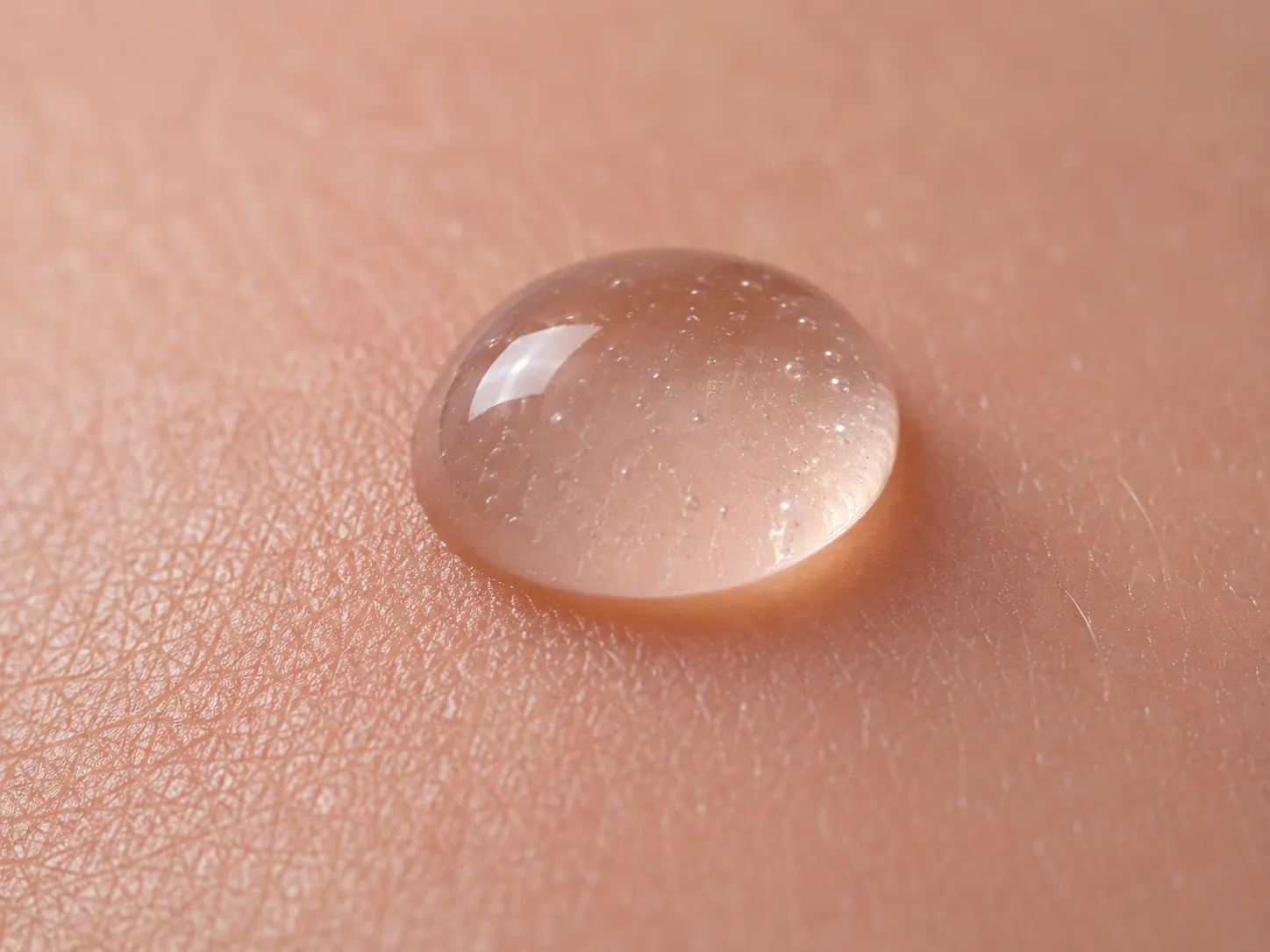
Fillers work differently. They do not affect muscle at all. A filler is a gel-like substance — most commonly hyaluronic acid (HA), which occurs naturally in the skin and connective tissue — that is injected directly into an area to physically add volume. Flat cheeks become fuller. Thinned lips become more defined. A hollow tear trough softens.
Like neurotoxins, fillers are also temporary. The body gradually breaks the material down, and the result fades.
Where each one is used
Neurotoxins are the right tool for wrinkles caused by repeated muscle movement: horizontal forehead lines, frown lines between the eyebrows (the "11s"), crow's feet at the outer corners of the eyes, bunny lines on the nose, and jaw muscle (masseter) injections to reduce teeth grinding or slim the lower face.
Fillers are the right tool for volume loss and structural changes: lip definition and volume, cheek volume restoration, nasolabial folds, under-eye hollowing (tear trough), jawline and chin definition, and temple hollowing.
What each one cannot do
Botox cannot
Fix static wrinkles — lines visible even when the face is completely at rest. If a wrinkle is present when the muscle underneath is not moving, relaxing that muscle won't erase it. It also cannot replace lost volume, plump lips, restore cheek fullness, or reshape the jawline. Skin texture, tone, and pigmentation are unaffected. And once injected, it cannot be reversed — you wait for it to wear off.
Fillers cannot
Treat dynamic wrinkles caused by muscle movement. Injecting filler into a forehead crease does not stop the muscle creating it. Fillers also cannot correct significant skin laxity — if the issue is loose or sagging skin, adding volume can worsen the appearance rather than improve it. Skin quality — texture, tone, pore size — is unaffected.
Using both together
Yes — and this is common in practice. A patient with forehead lines, flat cheeks, and thin lips may benefit from neurotoxin in the forehead and fillers in the cheeks and lips. The treatments address different problems and do not interfere with each other.
This combination approach is sometimes called a liquid facelift, though that term oversells what injectables can realistically achieve.
How long the results last
Botox / neurotoxins
Results begin to appear 3–7 days after injection, with the full effect visible at around two weeks. Duration is typically 3–4 months before muscle movement gradually returns. Some areas — such as the masseter — may hold results slightly longer.
Dermal fillers
Results are visible immediately, though initial swelling may temporarily distort the appearance for a few days. Because the gel is broken down more slowly by the body, fillers last considerably longer — typically 6 to 18 months depending on the product used and the site injected. Denser products placed in areas of less movement (such as the cheeks) tend to last longer than lighter products in high-movement areas (such as the lips).
Potential complications
Botox / neurotoxins
Mild bruising, swelling, or a temporary headache are common and resolve quickly. If the product migrates to an adjacent muscle, it can cause unintended effects: a drooping eyelid or eyebrow (ptosis), or temporary asymmetry of expression. These effects resolve on their own as the product wears off — typically within weeks. Neurotoxins cannot be reversed with an antidote.
Dermal fillers
Temporary redness, swelling, bruising, and small lumps are common. Most settle within one to two weeks; persistent lumps can often be treated with hyaluronidase (the enzyme that dissolves hyaluronic acid fillers). If filler is placed too superficially, it can cause a bluish discolouration under the skin — the Tyndall effect.
The most serious risk is vascular occlusion: if filler is inadvertently injected into or compresses a blood vessel, it can block blood supply to the surrounding tissue. If not identified and treated promptly with hyaluronidase, this can cause skin necrosis. In the most severe cases — particularly around the nose and eyes — it can lead to vision loss. This complication is rare, but it is the reason these procedures must be performed by someone with the anatomical knowledge and clinical experience to recognise and manage it immediately.
Note: hyaluronidase only reverses hyaluronic acid fillers. Non-HA fillers — such as calcium hydroxylapatite or poly-L-lactic acid — cannot be dissolved in the same way.
At a glance
| Neurotoxins (Botox) | Dermal Fillers | |
|---|---|---|
| Mechanism | Relaxes muscles | Adds volume |
| Best for | Dynamic wrinkles | Volume loss, reshaping |
| Onset | 3–7 days | Immediate |
| Duration | 3–4 months | 6–18 months |
| Reversible? | No | Yes (HA fillers only) |
| Serious risk | Ptosis, asymmetry | Vascular occlusion |
Questions patients ask
No. Lines present at rest are static wrinkles, and neurotoxins do not treat them. Depending on their depth and cause, options include fillers, skin resurfacing, or other treatments.
That depends on what the problem is. A consultation is necessary to assess whether the issue is muscle movement, volume loss, or skin quality — or a combination. Trying to treat one with the tool designed for the other leads to poor results.
Generally yes. The two treatments do not interact. Many patients have both done in the same session.
Hyaluronic acid fillers can be dissolved with hyaluronidase. This is why using HA as a first-time filler is prudent — the result can be partially or fully reversed if necessary. Vascular complications require immediate treatment and are a medical emergency.
Both involve needles. Topical anaesthetic is applied beforehand, and most patients find the injections tolerable. The lips and tear trough tend to be more sensitive areas.