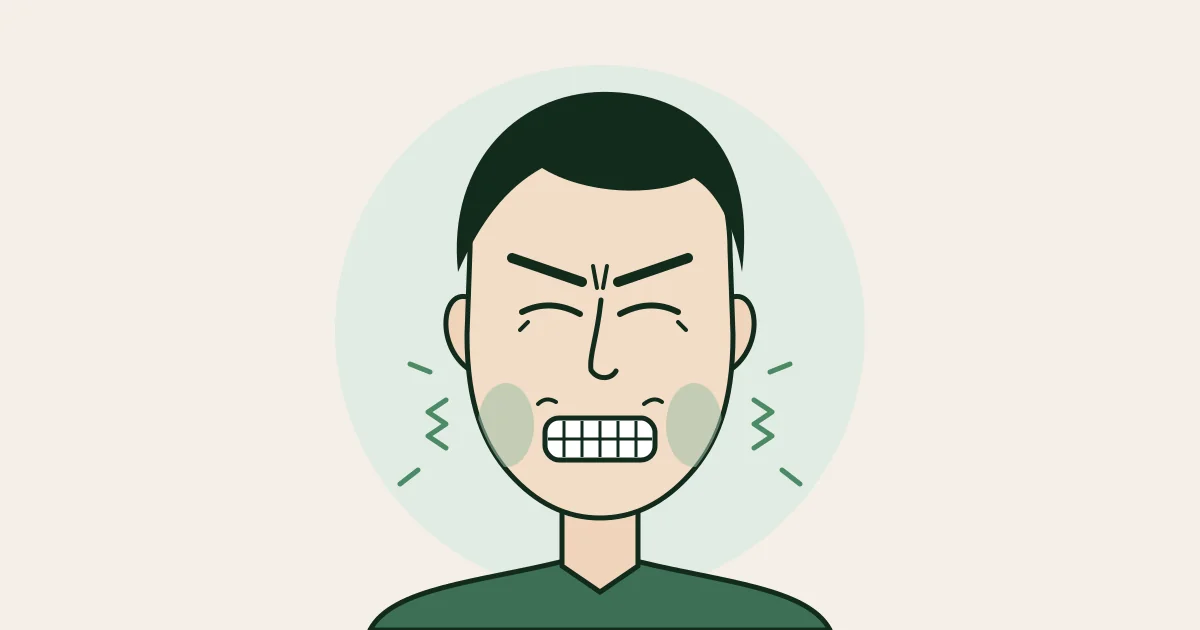
Bruxism — commonly described as teeth grinding or jaw clenching — can cause jaw tightness, facial pain, morning headaches, tooth wear and enlargement of the jaw muscles.
Night guards, behavioural measures and treatment of contributing dental or sleep-related problems remain important options. When excessive jaw muscle activity is a major part of the problem, botulinum toxin (Botox®, Dysport®, Xeomin® and other brands) may be considered.
- Botulinum toxin reduces the force of clenching and grinding. It may not stop bruxism itself.
- The masseter is usually treated; the temporalis only when temple pain, headache or strong temporalis activity is present.
- The effect begins in about 1–2 weeks and generally lasts around 3–4 months.
- With enlarged masseter muscles, repeated treatment may gradually slim the jaw.
- Cost at Lakeshore Hospital, Kochi: around ₹24,000–30,000.
- A night guard protects the teeth; botulinum toxin reduces muscle force. Some patients need both.
How does botulinum toxin help bruxism?
The main muscles responsible for closing the jaw are the masseter, at the angle of the jaw, and the temporalis, over the temple. Botulinum toxin temporarily reduces the strength of these muscles.
An important distinction is that botulinum toxin may not stop you from clenching or grinding — it reduces the force with which you do it.
Studies have demonstrated reductions in muscle activity, bite force and bruxism-related pain following treatment. It is therefore better considered a way of controlling the muscular effects of bruxism rather than a cure for bruxism itself.
Where is botulinum toxin injected for bruxism?
The masseter is usually the main muscle treated. Botulinum toxin is distributed at selected points within the muscle.
The temporalis does not need to be treated in everyone. If there is significant temple pain, headache or strong temporalis activity during clenching, it may also be considered.
Treatment should therefore be based on which muscles are contributing to your symptoms, rather than following the same injection pattern for everyone.
When will I notice the effect?
Botulinum toxin does not work immediately. Most people begin noticing a reduction in clenching strength and muscle tightness within approximately 1–2 weeks. The effect becomes more established over the following weeks.
How long does botulinum toxin last for bruxism?
The useful muscular effect generally lasts around 3–4 months, although this varies between individuals.
As the effect wears off, muscle strength gradually returns. Treatment does not necessarily need to be repeated at a fixed interval — it should depend on the return of symptoms and clinical assessment.
Can masseter botulinum toxin also slim my jaw?
Yes, in selected patients.
Repeated clenching can produce masseter hypertrophy, where the masseter muscles become enlarged and create a broader or more square lower face. Reducing masseter activity with botulinum toxin can gradually reduce the volume of the muscle, producing masseter reduction or jaw slimming.
However, treating bruxism and performing masseter botulinum toxin specifically for facial slimming are related but not identical treatments. The treatment should reflect whether the concern is symptoms, facial contour, or both. If jaw contour is your main concern, see masseter Botox for jaw slimming.
Botulinum toxin or a night guard?
They do different things. For some patients, both may therefore have a role.
| Night guard | Botulinum toxin | |
|---|---|---|
| Primary role | Protects the teeth and dental restorations from grinding | Reduces the muscular force of clenching and grinding |
| Acts on | Teeth | Masseter and, when indicated, temporalis muscles |
Botox®, Dysport® or Xeomin® — does the brand matter?
Botox®, Dysport® and Xeomin® are different preparations of botulinum toxin type A. Other botulinum toxin brands are also available.
They work through a similar mechanism, but their formulations and Units are not identical or directly interchangeable. The choice of product and treatment plan should therefore be individualised.
“But it is a toxin. Is it safe to inject into my face?”
Yes, it is a toxin — but toxicity depends on the dose and how it is administered.
There is no experimentally established lethal dose of botulinum toxin in humans. For perspective, the prescribing information for Botox® (onabotulinumtoxinA) permits cumulative therapeutic doses of up to 400 Units in adults over a three-month period for approved medical indications.
For bruxism, the amount used in a treatment session is generally considerably smaller — usually below 100–120 Units of Botox® in our practice, depending on the muscles that require treatment.
These are small, measured quantities injected directly into selected muscles. The objective is not to paralyse the jaw, but to reduce excessive muscle activity while preserving comfortable chewing and normal facial movement.
The numbers above refer specifically to Botox® Units. Units of Botox®, Dysport®, Xeomin® and other botulinum toxin preparations should not be directly compared or converted on a simple 1:1 basis.
Are there side effects?
Temporary chewing weakness can occur, particularly if the muscles are weakened excessively. Other potential problems include bruising, injection-site discomfort, facial asymmetry and changes in the smile if botulinum toxin affects neighbouring muscles.
Repeated treatment also reduces masseter muscle volume. The longer-term effects of repeatedly reducing masticatory muscle activity, including possible effects on the underlying jaw bone, continue to be studied.
Is botulinum toxin worth considering for bruxism?
Botulinum toxin may be worth considering when teeth grinding or jaw clenching is associated with:
- powerful clenching
- jaw pain or tightness
- morning muscle fatigue
- temple pain or headaches
- enlarged masseter muscles
— particularly when simpler measures have not been sufficient.
Botulinum toxin may not stop bruxism itself. It reduces the excessive muscular force produced by it. For appropriately selected patients, this may reduce symptoms — and, when enlarged masseter muscles are present, may also produce a gradual jaw-slimming effect.
How much does it cost in Kochi?
At Lakeshore Hospital, Kochi, botulinum toxin treatment for bruxism costs around ₹24,000–30,000. The figure depends on which muscles need treatment and the dose required.
A quote given without examining the muscles is a guess. The dose — and therefore the cost — is decided after assessment.
Questions patients ask
Not necessarily. Botulinum toxin may not stop you from clenching or grinding — it reduces the force with which you do it. It is better considered a way of controlling the muscular effects of bruxism than a cure for bruxism itself.
It does not work immediately. Most people notice a reduction in clenching strength and muscle tightness within approximately 1–2 weeks. The effect becomes more established over the following weeks.
The useful muscular effect generally lasts around 3–4 months, although this varies between individuals. Repeat treatment should depend on the return of symptoms and clinical assessment rather than a fixed interval.
In Dr. Sinnet Roy's practice, usually below 100–120 Units of Botox per session, depending on the muscles that require treatment. These figures refer only to Botox Units — Dysport, Xeomin and other brands cannot be converted on a simple 1:1 basis.
At Lakeshore Hospital, Kochi, botulinum toxin treatment for bruxism costs around ₹24,000–30,000. The figure depends on which muscles need treatment and the dose required.
Usually the masseter, the main jaw-closing muscle at the angle of the jaw. The temporalis, over the temple, is treated only when there is significant temple pain, headache or strong temporalis activity during clenching.
They do different things. A night guard primarily protects the teeth and dental restorations from grinding. Botulinum toxin primarily reduces the muscular force of clenching and grinding. For some patients, both have a role.
In selected patients, yes. Repeated clenching can enlarge the masseter muscles. Reducing masseter activity can gradually reduce the muscle's volume, producing jaw slimming. Treating bruxism and treating the jaw contour are related but not identical, so the plan should reflect whether the concern is symptoms, facial contour or both.
Toxicity depends on dose and how it is given. Prescribing information for Botox permits cumulative therapeutic doses up to 400 Units in adults over three months for approved medical indications; bruxism doses are considerably smaller. The aim is to reduce excessive muscle activity while preserving comfortable chewing and normal facial movement.
Temporary chewing weakness, bruising, injection-site discomfort, facial asymmetry and changes in the smile if the toxin affects neighbouring muscles. Repeated treatment reduces masseter volume; longer-term effects, including on the underlying jaw bone, continue to be studied.